Horsewood Supplement Side Effects: 3 Ingredient Cautions and 8 Doctor Checks
Written by the Horsewood Formula editorial desk
Medically reviewed by Dr. Mohit Khera, MD, Physician · Review date:
Last updated · Who reviewed this page · How we write and review
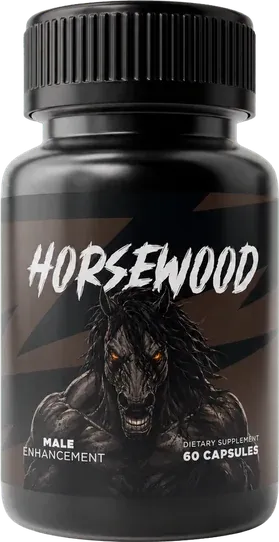
Horsewood supplement side effects have not been measured, because no study has tested the finished capsule. What is known comes from its ingredients: saw palmetto may raise bruising and bleeding risk with blood thinners, horny goat weed has case reports of a fast heart rhythm, and tongkat ali has rare liver injury reports. Ask a doctor first if you take any prescription drug, and stay at 2 capsules a day.
Key facts
- The side effects of the finished capsule are unknown, because it has never been studied.
- Saw palmetto may add to bleeding risk with blood thinners and around surgery.
- Horny goat weed has case reports of fast heart rhythm, mostly in older people with heart disease.
- Tongkat ali has rare liver injury reports, and its long-term safety is not well known.
- No hidden-drug screen has been published. When we last checked, we found no FDA tainted-product notice for Horsewood. That is not proof of safety.
- The label says to see a physician first if you have a known medical condition, and not to exceed the dose.
Does Horsewood have side effects?
Its own side effects are unknown. The finished capsule has not been tested in a published study. What we know comes from research on the seven label ingredients, usually at higher doses.
The label adds its own warning. It says not to exceed the recommended dose, and it tells pregnant or nursing mothers, anyone under 18 and anyone with a known medical condition to see a physician first. Stomach effects are not published for Horsewood, so we cannot list any.
How safe is each Horsewood ingredient?
Each line has its own record. A small amount does not remove an interaction or an allergy.
| Ingredient | Horsewood amount | Main safety note | Source |
|---|---|---|---|
| Saw palmetto berry | 20 mg | May raise bruising and bleeding risk with blood thinners; heavy bleeding in surgery reported | (MSKCC, 2023) |
| Horny goat weed | 8 mg (10:1) | Case reports of fast heart rhythm and rash; controlled human trials lacking | (Drugs.com, 2026) |
| Tongkat ali | 10 mg (100:1) | Rare liver injury reports; long-term safety not well known | (NIDDK LiverTox, 2024) |
| Tongkat ali products | Not tested here | Some products found with lead, mercury or hidden sildenafil | (OPSS (DoD), 2023) |
| Boron chelate | 20 mg compound | Adult limit is 20 mg of elemental boron a day from all sources | (NIH ODS, 2022) |
| Nettle leaf | 20 mg | Reviewed by LiverTox; research focused on the root, with mixed results | (NIDDK LiverTox, 2023) |
| Wild yam root | 20 mg | Does not turn into DHEA or other hormones in the body | (MSKCC, 2022) |
| Sarsaparilla root | 20 mg | Not enough evidence to rate it for any use | (RxList, n.d.) |
Can saw palmetto in Horsewood raise bleeding risk?
It may. Saw palmetto may raise bruising and bleeding risk with blood thinners, and case reports describe heavy bleeding during surgery (MSKCC, 2023). Horsewood holds 20 mg, far below the usual 320 mg (NCCIH, 2025), and no study has checked bleeding at that amount.
- Take a blood thinner or any drug that affects clotting? Ask first.
- Have a bleeding disorder or bruise easily? Ask first.
- Have surgery or dental work planned? Tell your surgeon and dentist about every supplement.
Can the horny goat weed in Horsewood affect your heart?
In rare cases it can. Case reports describe fast heart rhythm and rash, especially in older people with heart disease (Drugs.com, 2026). The herb's sexual benefits are unproven in rigorous trials (NIDDK LiverTox, 2022).
Is the tongkat ali in Horsewood a liver concern?
It is a rare but recorded concern. LiverTox says long-term safety is not well known and that product strength and purity are not standardized (NIDDK LiverTox, 2024). Operation Supplement Safety reports that some tongkat ali products held lead, mercury or hidden sildenafil (OPSS (DoD), 2023).
Horsewood has no independent lab report on record. Stop and call a doctor if you notice yellow skin or eyes, dark urine or new itching after you begin.
Can the boron in Horsewood go too high?
The label gives 20 mg of boron chelate and does not state the elemental amount. Adults should not go above 20 mg of elemental boron a day from all sources (NIH ODS, 2022). Because the chelate itself weighs 20 mg, the boron inside is below that limit. The problem is other products. Check your multivitamin and add up every source.

Which 8 medicines and tests need a doctor's check first?
| Medicine or situation | Ingredient or risk | Concern |
|---|---|---|
| Blood thinners | Saw palmetto | More bruising or bleeding |
| Planned surgery | Saw palmetto | Bleeding during the procedure |
| Nitrates for chest pain | Hidden-drug risk in this product category | Dangerous drop in blood pressure |
| Heart or blood-pressure drugs | Horny goat weed | Heart rhythm and blood pressure effects |
| Prescription ED pills | Horsewood is not a substitute | Ask before combining anything |
| Hormone treatment | Whole formula | Ask your doctor first |
| Multivitamin with boron | Boron chelate | Total boron near the upper limit |
| PSA blood test | Saw palmetto | No PSA change in the CAMUS trial; still tell your doctor |
Who should not take Horsewood without a doctor's OK?
People under 18 should not take it. Anyone with a known medical condition should consult a physician first, as the label says. The group that needs most care is longer.
- Men on blood thinners, nitrates, or heart or blood-pressure drugs.
- Men with heart disease or a heart rhythm problem.
- Anyone with past liver trouble.
- Pregnant or nursing mothers.
- Anyone avoiding animal products, since the capsule is gelatin.
What should you do if you react to Horsewood?
Stop the capsules
Leave out the next dose. Do not push through a reaction.
Call 911 if severe
Chest pain, fainting, trouble breathing or a swollen face need emergency care.
Call your doctor
Bring the bottle so the full label can be read.
Report it to FDA
FDA's MedWatch program takes reports of bad reactions to supplements.
Contact the order desk
For a refund, call +1 (641) 711-1414 with your order ID.
Frequently asked questions
Short answers to the questions people ask most about this topic, from the label and the sources named on this page.
Is Horsewood safe?
No safety study of the finished capsule exists, so nobody can call it proven safe. Several ingredients carry cautions, so ask a doctor or pharmacist first if you take medicine or have a condition.
Can Horsewood cause a fast heartbeat?
Case reports link horny goat weed to fast heart rhythm, mostly in older people with heart disease. Horsewood lists 8 mg of a 10:1 extract. Ask a doctor first if you have a heart condition.
Can Horsewood interact with blood thinners?
It might. Saw palmetto may raise bruising and bleeding risk with blood thinners, so check with your doctor or pharmacist before you combine them.
Can tongkat ali harm the liver?
Rare liver injury reports exist, and long-term safety is not well known. Stop and call a doctor for yellow skin or eyes, dark urine or new itching.
Should I stop Horsewood before surgery?
Tell your surgeon you take it. Saw palmetto may raise bleeding risk, and your surgical team will say when to stop.
When should I call a doctor about a supplement reaction?
Stop the supplement and call for a rash, a racing heart, unusual bruising or yellow skin or eyes. Call 911 for chest pain, fainting, trouble breathing or a swollen face.
Our view
The honest word is unknown. The label is clear about amounts, which helps, and the amounts are small, which may lower some risks. But a small amount does not cancel an interaction, and no one has published a safety test of the capsule.
Use the medicine table as a checklist and bring the bottle to your doctor or pharmacist. Horsewood is a dietary supplement. It is not FDA approved, and no supplement is. It is not intended to diagnose, treat, cure or prevent any disease.
Last updated . Written by the Horsewood Formula editorial desk. Medically reviewed by Dr. Mohit Khera, MD, Physician.