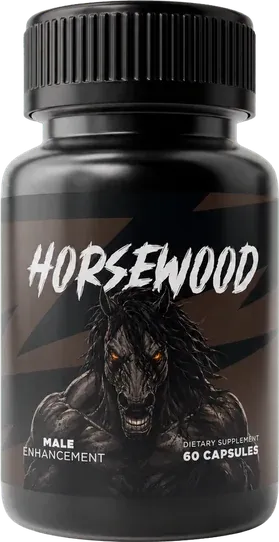
Horsewood Ingredients List: 7 Lines, 118 mg a Serving, and What Each One Weighs
Written by the Horsewood Formula editorial desk
Medically reviewed by Dr. Mohit Khera, MD, Physician · Review date:
Last updated · Who reviewed this page · How we write and review
The Horsewood ingredients list has 7 active lines that add up to 118 mg in each 2-capsule serving: saw palmetto berry, wild yam root, sarsaparilla root, nettle leaf and boron amino acid chelate at 20 mg each, tongkat ali at 10 mg of a 100:1 extract and horny goat weed at 8 mg of a 10:1 extract. The other ingredients are microcrystalline cellulose, gelatin and magnesium stearate. No proprietary blend hides any amount.
Key facts
- Serving size is 2 capsules. One 60-capsule bottle holds 30 servings.
- Five lines weigh 20 mg each: saw palmetto, wild yam, sarsaparilla, nettle leaf and boron chelate.
- Tongkat ali is 10 mg of a 100:1 extract. Horny goat weed is 8 mg of a 10:1 extract.
- The seven lines total 118 mg per serving.
- Other ingredients: microcrystalline cellulose, gelatin, magnesium stearate. The gelatin capsule is not vegetarian.
- Not published: elemental boron, icariin content, what the tongkat ali extract is standardized to, and the manufacturer's name.
What is on the Horsewood ingredients list?
The panel prints seven active lines in a fixed order. Each one has its own weight. The table lists them as they appear on the bottle.
| Ingredient | Latin name or form | Part or type | Amount |
|---|---|---|---|
| Saw palmetto | Serenoa repens | Berry extract | 20 mg |
| Wild yam | Dioscorea villosa | Root extract | 20 mg |
| Sarsaparilla | Smilax ornata | Root extract | 20 mg |
| Nettle leaf | Urtica dioica | Leaf extract | 20 mg |
| Boron | Amino acid chelate | Mineral compound | 20 mg (compound weight) |
| Tongkat ali | Eurycoma longifolia | 100:1 extract | 10 mg |
| Horny goat weed | Epimedium sagittatum | 10:1 extract | 8 mg |
How do the amounts add up to 118 mg?
Five lines at 20 mg make 100 mg. Add 10 mg of tongkat ali and 8 mg of horny goat weed, and the total is 118 mg. Every amount is per serving, and a serving is two capsules taken together.
What do the 100:1 and 10:1 extract ratios mean?
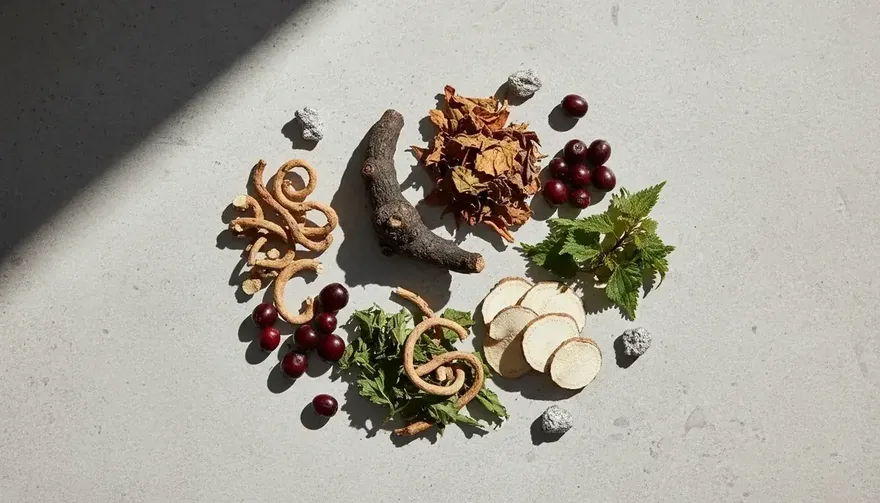
A ratio says how much dry plant went into making one part of extract. A 100:1 ratio means about 100 parts of root became 1 part. A 10:1 ratio means about 10 parts of herb became 1 part.
The label adds a raw-powder figure next to each ratio: about 1,000 mg for tongkat ali and about 80 mg for horny goat weed. Those figures describe the starting plant. What you swallow is 10 mg and 8 mg of extract.
What form of boron is in Horsewood?
The label names boron amino acid chelate and gives 20 mg. That is the weight of the whole compound, boron plus the amino acid it is bound to. The boron on its own weighs less, and the label does not say how much.
NIH sets the adult upper limit at 20 mg of elemental boron a day from all sources (NIH ODS, 2022). Because the compound itself weighs 20 mg, the elemental amount in a serving is below that limit. Still, a multivitamin may add boron, so count every source.
Which plant parts does the label name?
The plant part matters because roots, leaves and berries hold different compounds. The label names the part for four herbs.
- Saw palmetto: berry extract.
- Wild yam: root extract.
- Sarsaparilla: root extract.
- Nettle: leaf extract.
Nettle is the line to watch. Prostate research on nettle used the root, not the leaf (NIDDK LiverTox, 2023). A study of one plant part does not cover another.
Is Horsewood a proprietary blend?
No. A proprietary blend lists several ingredients under one total and hides each share. Horsewood prints a separate amount for every line. That is a real strength, because you can set each number beside the research yourself.
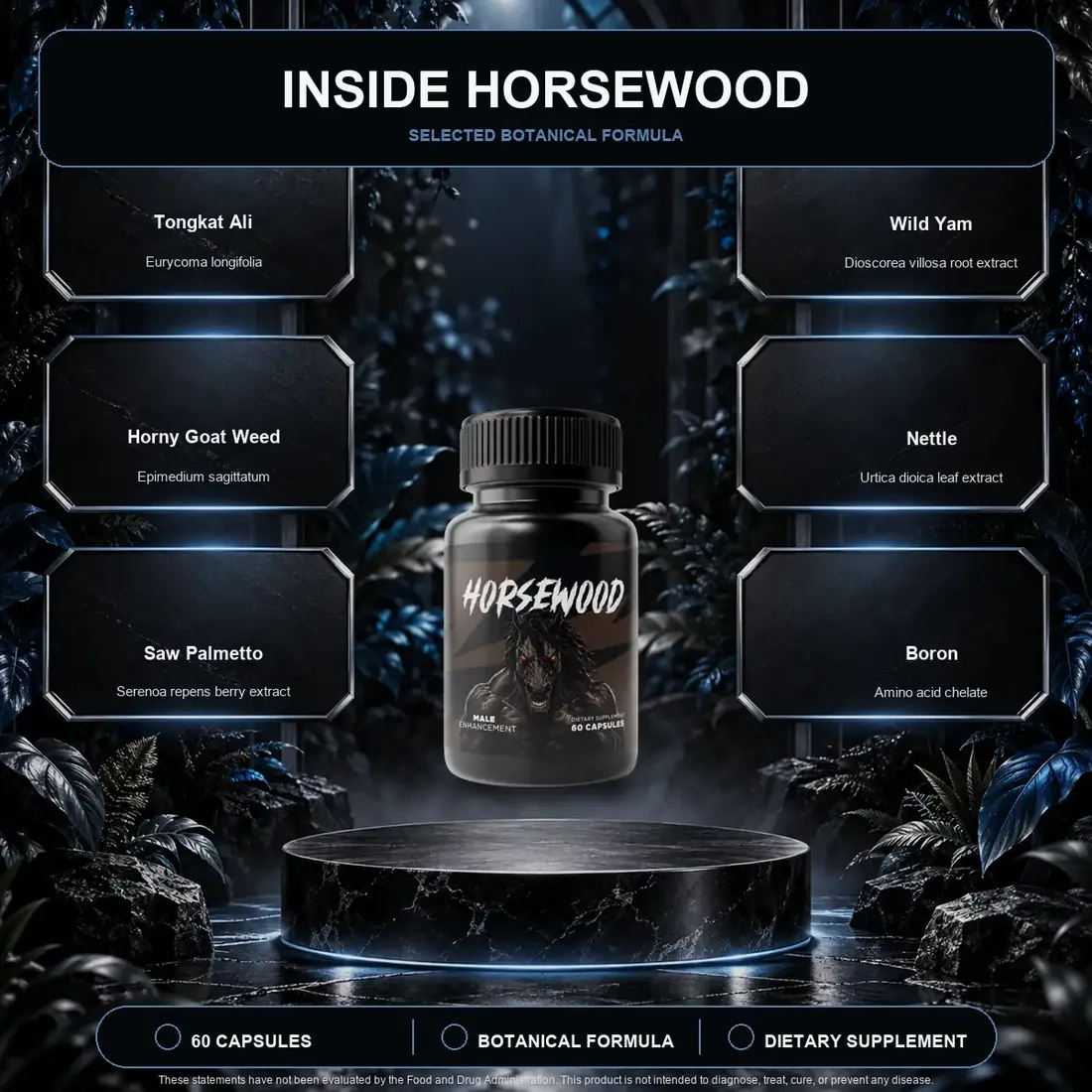
Watch for sources that disagree. The seller's Inside Horsewood graphic and the seller pack list six ingredients. The bottle label lists seven, including sarsaparilla at 20 mg. When they differ, the label wins.
What are the other ingredients in the capsule?
Three are listed: microcrystalline cellulose, gelatin and magnesium stearate. No amount is printed for them. Microcrystalline cellulose is a plant-based filler. Magnesium stearate helps powder flow. Gelatin forms the shell.
Gelatin comes from animals, so the capsule is not vegetarian. A badge in the seller pack says it is, and the label says otherwise. Follow the label. The source of the gelatin is not stated, so ask the order desk if you follow halal or kosher rules. The label lists no caffeine and no yohimbe.
What does the label leave out?
- The elemental boron inside the 20 mg chelate.
- The icariin percentage in the horny goat weed extract.
- What the tongkat ali extract is standardized to.
- The name of the factory that made the batch.
- Any independent lab report. The lot and certificate codes in the seller materials are draft labels, not lab proof.
These gaps do not make the capsule unsafe. They mean you cannot check the label against the research as closely as you might like.
How do the label amounts compare with studied doses?
| Ingredient | Horsewood | Research dose |
|---|---|---|
| Tongkat ali extract | 10 mg | 100-600 mg a day of extract in trials |
| Saw palmetto | 20 mg | 320-960 mg a day in the CAMUS trial |
| Nettle | 20 mg of leaf extract | Root extract, 300-600 mg a day |
| Boron (elemental) | Not published | 3-10 mg of elemental boron a day |
| Horny goat weed | 8 mg | 250-500 mg in commercial products, no proven dose |
Each ingredient was studied alone. No published study has tested the finished Horsewood formula, so the effect of this mix at these amounts is unknown.
Frequently asked questions
Short answers to the questions people ask most about this topic, from the label and the sources named on this page.
What herbs are in Horsewood?
Six plants and one mineral: saw palmetto berry, wild yam root, sarsaparilla root, nettle leaf, tongkat ali and horny goat weed, plus boron amino acid chelate. They total 118 mg per 2-capsule serving.
Does Horsewood contain sarsaparilla?
Yes. The bottle label lists sarsaparilla root extract at 20 mg. Some seller graphics show only six ingredients and leave it out, but the label is the record to follow.
How much tongkat ali is in Horsewood?
Each serving has 10 mg of a 100:1 extract. The label says that equals about 1,000 mg of dry root powder, but the capsules hold 10 mg of extract.
Is the boron in Horsewood elemental boron?
No. The label gives 20 mg of boron amino acid chelate, which is the weight of the whole compound. The elemental boron is lower and is not published.
Does Horsewood use a proprietary blend?
No. Each of the seven active lines has its own printed amount, from 8 mg to 20 mg.
Are Horsewood capsules vegetarian?
No. The capsule shell is gelatin, which comes from animals, even though a seller pack badge says vegetarian.
Our view
This is a complete label, and that deserves credit. Seven lines, seven amounts and no hidden blend. The problem is the size of the numbers. Each line sits well below the doses that research used, and a few key facts, like elemental boron and icariin, are missing.
Read the panel as a plain record, not as a promise. Horsewood is a dietary supplement. It is not FDA approved, and no supplement is. It is not intended to diagnose, treat, cure or prevent any disease. Check with your doctor or pharmacist first if you take medicine or have a medical condition.
Last updated . Written by the Horsewood Formula editorial desk. Medically reviewed by Dr. Mohit Khera, MD, Physician.